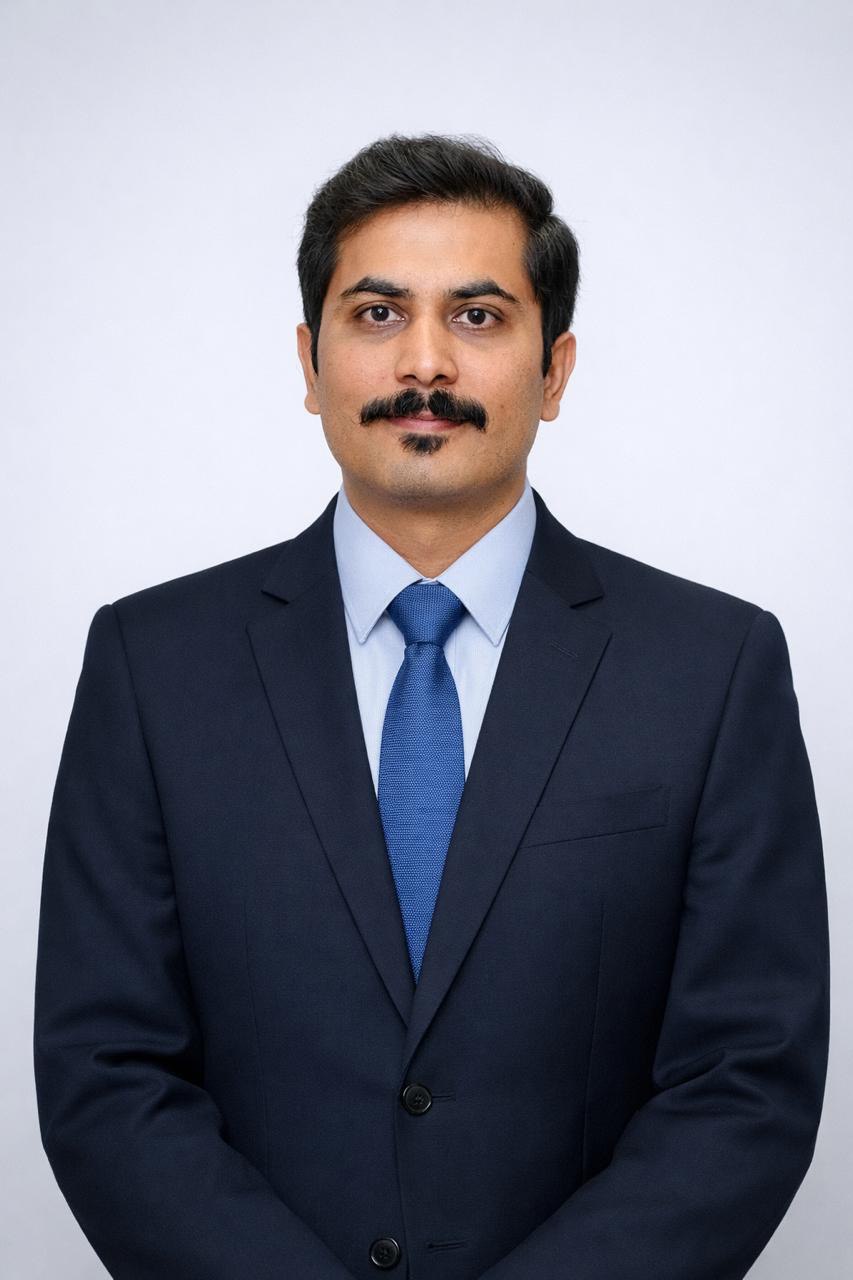
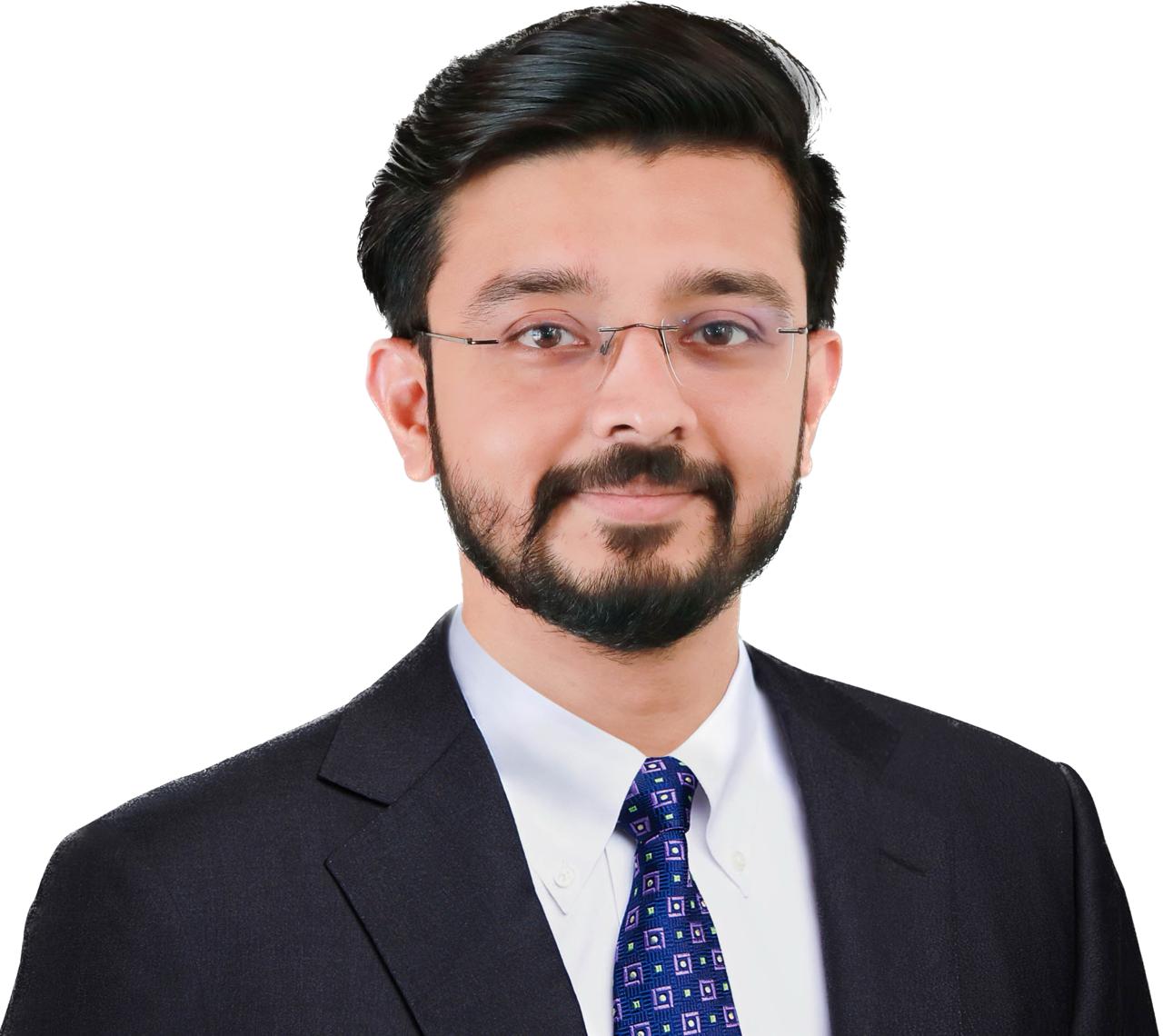
For patients with drug-resistant epilepsy, surgery may offer meaningful seizure reduction or better seizure control in carefully selected patients. At Gujarat Epilepsy & Neuro Clinic, we provide complete epilepsy surgery evaluation services to determine if surgical intervention may help reduce seizures or improve seizure control.
Dr. Rutul Shah and Dr. Abhishek Gohel, both NIMHANS-trained epileptologists with specialized training from Amrita Institute, Kochi and Amrita Kochi respectively, bring extensive experience in pre-surgical evaluation and work closely with focused neurosurgical centers to coordinate your complete care.
Expected Outcomes After Epilepsy Surgery
Studies show that many carefully selected patients become without recent seizures after epilepsy surgery. For temporal lobe epilepsy, the most common surgical condition, outcomes vary by epilepsy type, MRI finding, EEG localization and surgical plan. This makes surgery an important option for selected patients with drug-resistant epilepsy.
If you're considering epilepsy surgery in Ahmedabad, our clinic provides the complete pre-surgical evaluation needed to determine if you're a candidate.
Who is a Candidate for Epilepsy Surgery?
Not all patients with epilepsy are candidates for surgery, but those who meet specific criteria may benefit tremendously. At our epilepsy surgery evaluation center in Ahmedabad, we assess patients who:
- Have drug-resistant epilepsy: Seizures continue despite trying at least two appropriate anti-seizure medications
- Have focal seizures: Seizures that originate from a specific, identifiable area of the brain
- Have an identifiable seizure focus: The location where seizures start can be clearly mapped
- Have adequate seizure frequency: Enough seizures to significantly impact quality of life
- Are willing to undergo evaluation: Complete testing and potential surgical risks are acceptable
- Have failed medical optimization: Multiple medication trials have been unsuccessful
Specific Conditions That May Benefit from Surgery
- Temporal lobe epilepsy with hippocampal sclerosis
- Focal cortical dysplasia (FCD)
- Cavernous malformations causing seizures
- Low-grade tumors associated with epilepsy
- Post-stroke or traumatic epilepsy with clear lesions
- Tuberous sclerosis complex with dominant tubers